
ROBOTIC NEURONAVIGATION.
Dubrava University Hospital / University of Zagreb / Croatian Institute for Brain Research (CIBR)
We are proud to present a very special product produced by Pirikom and developed with partners!
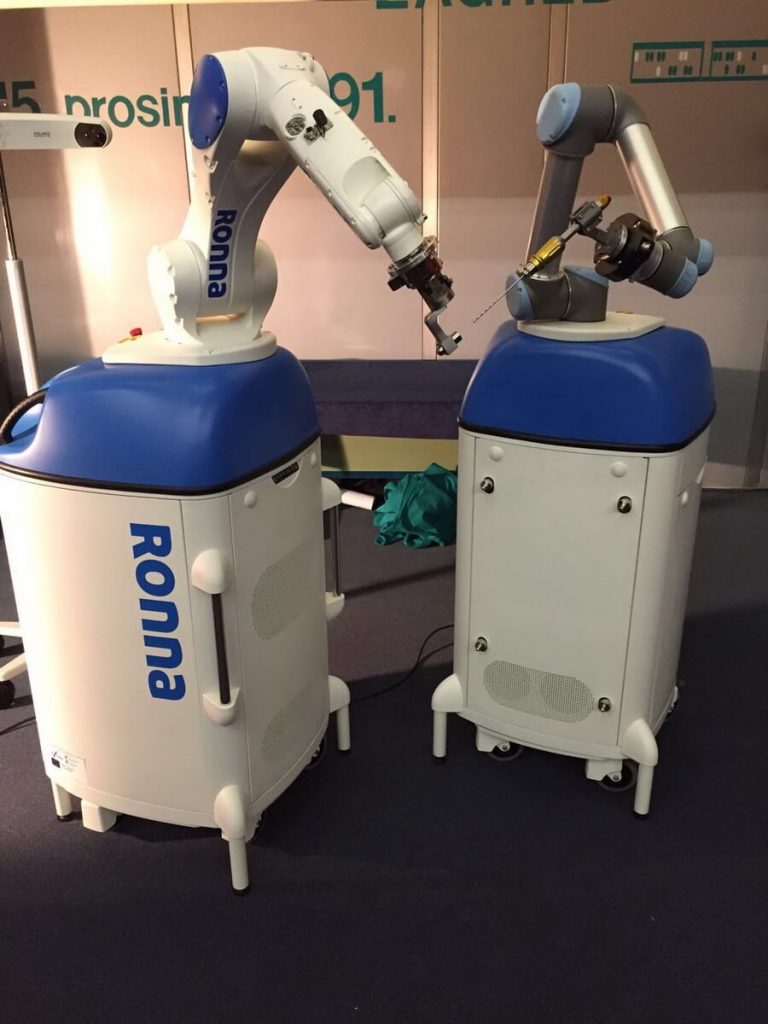
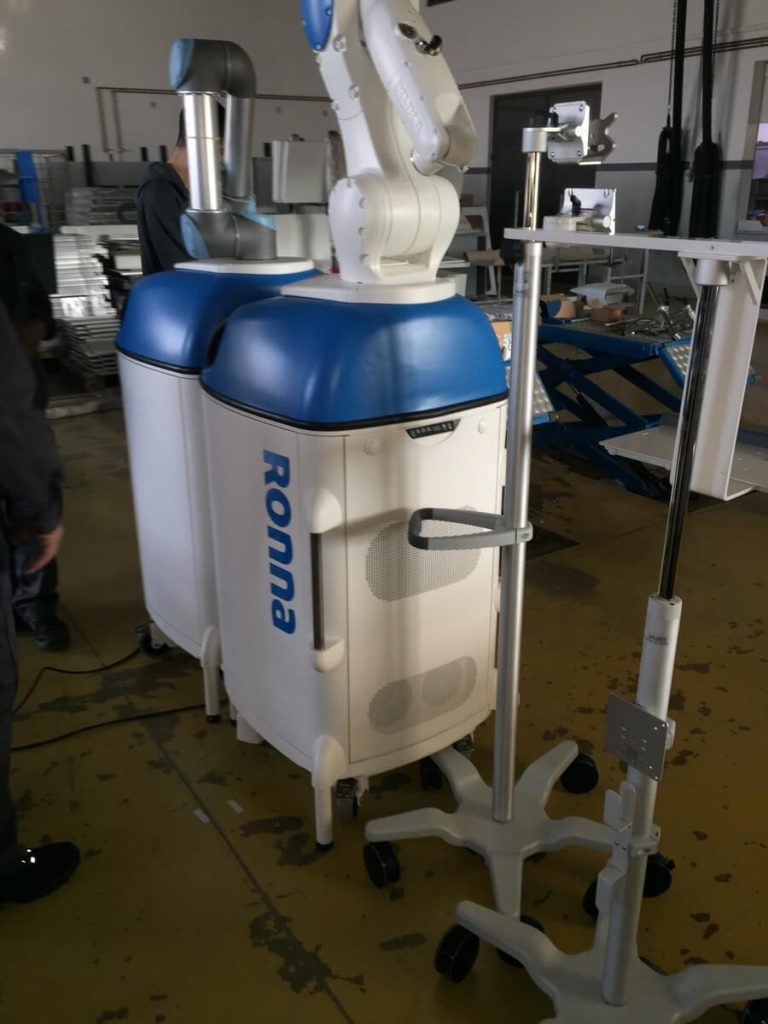
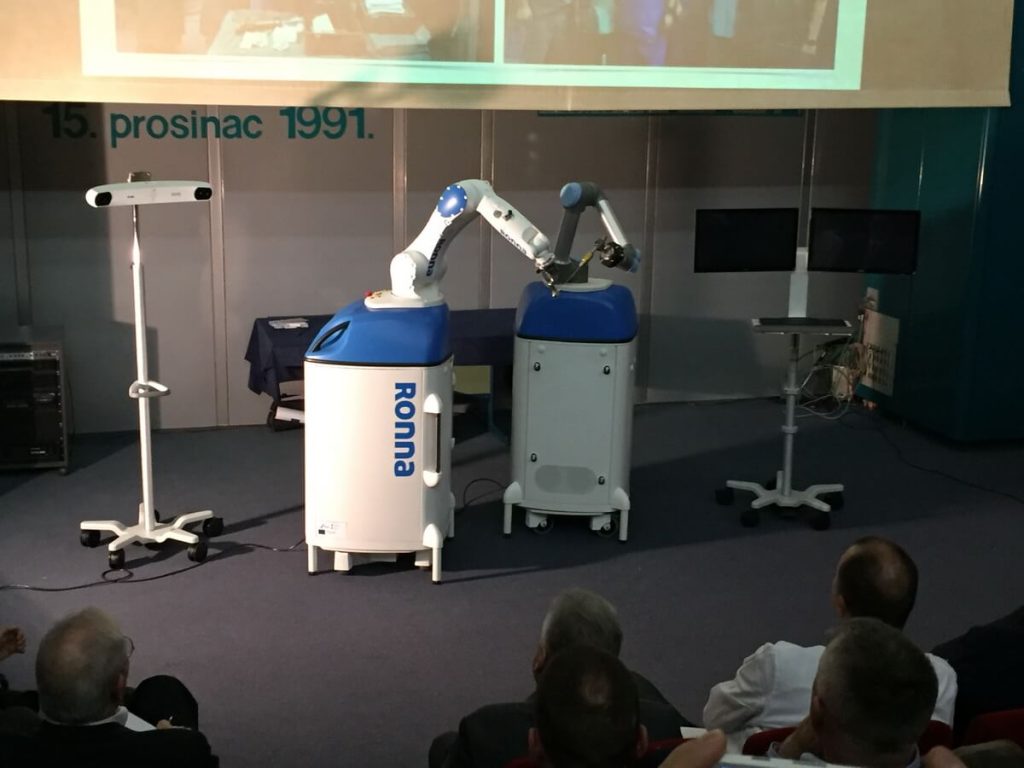
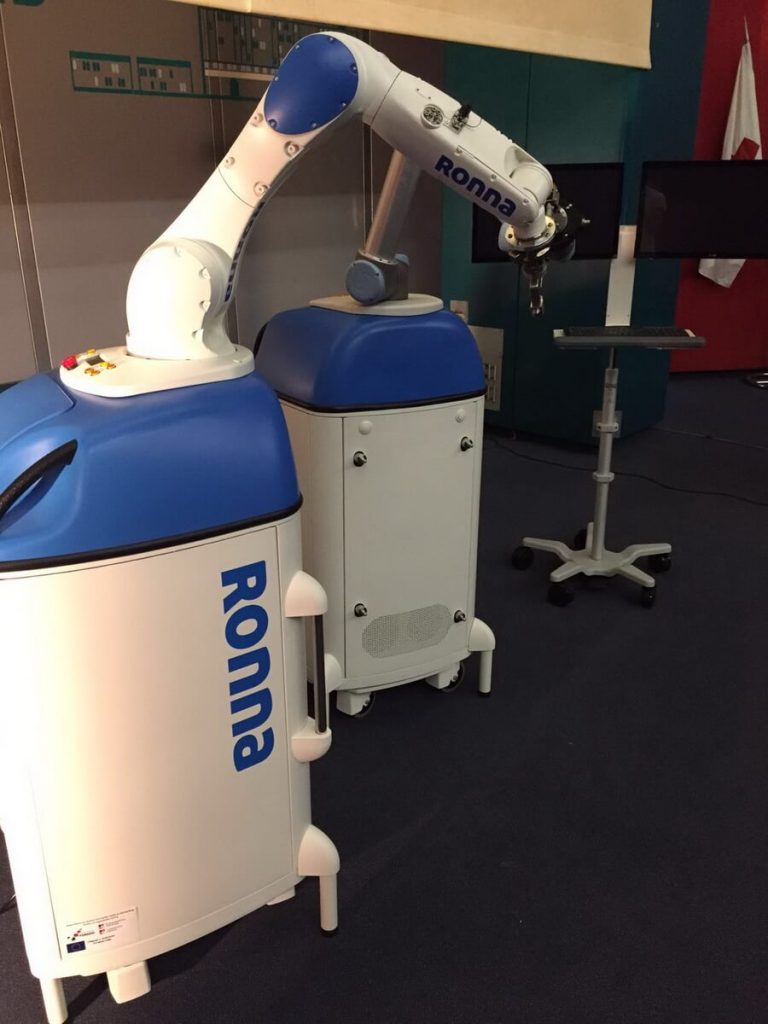
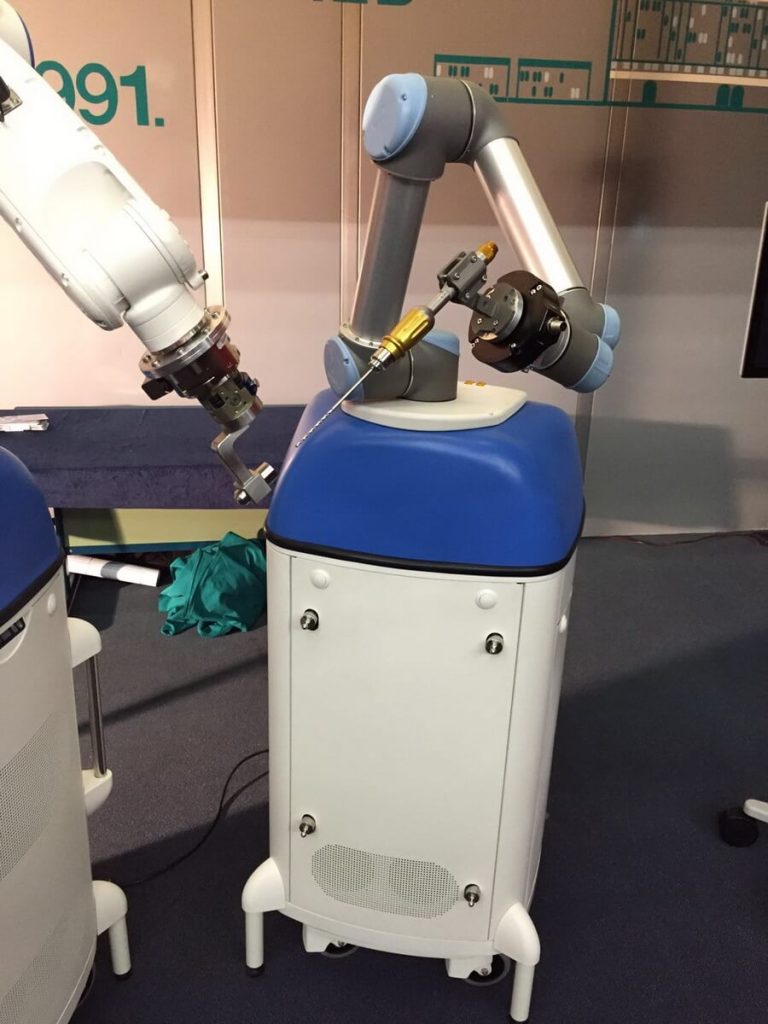
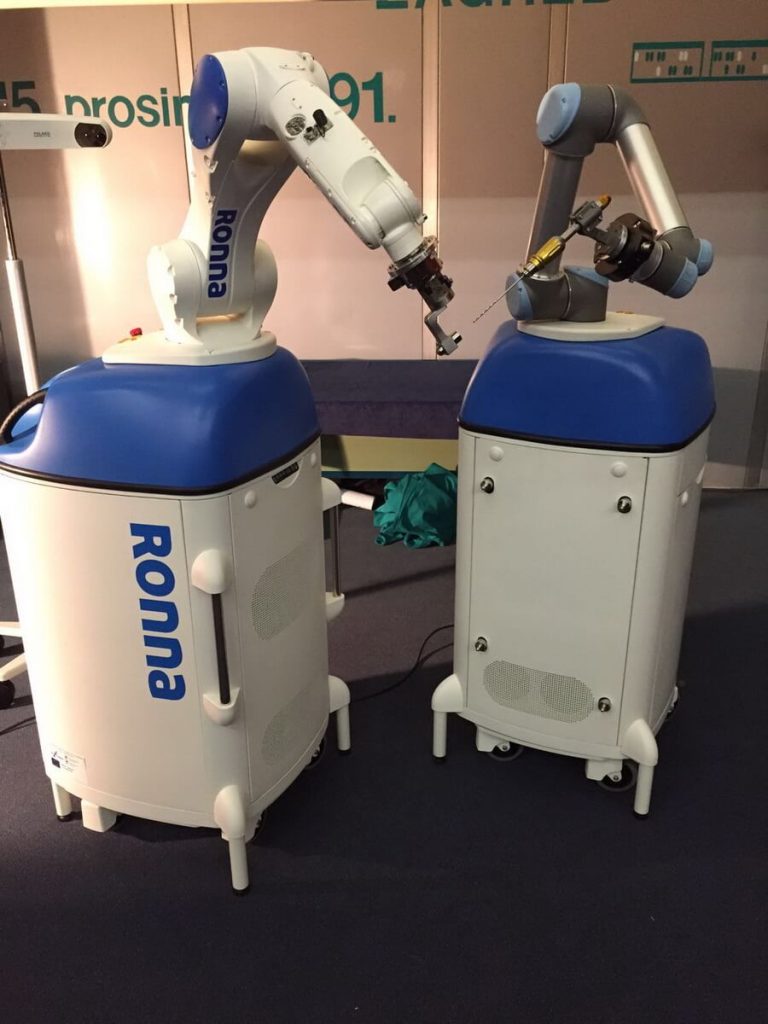
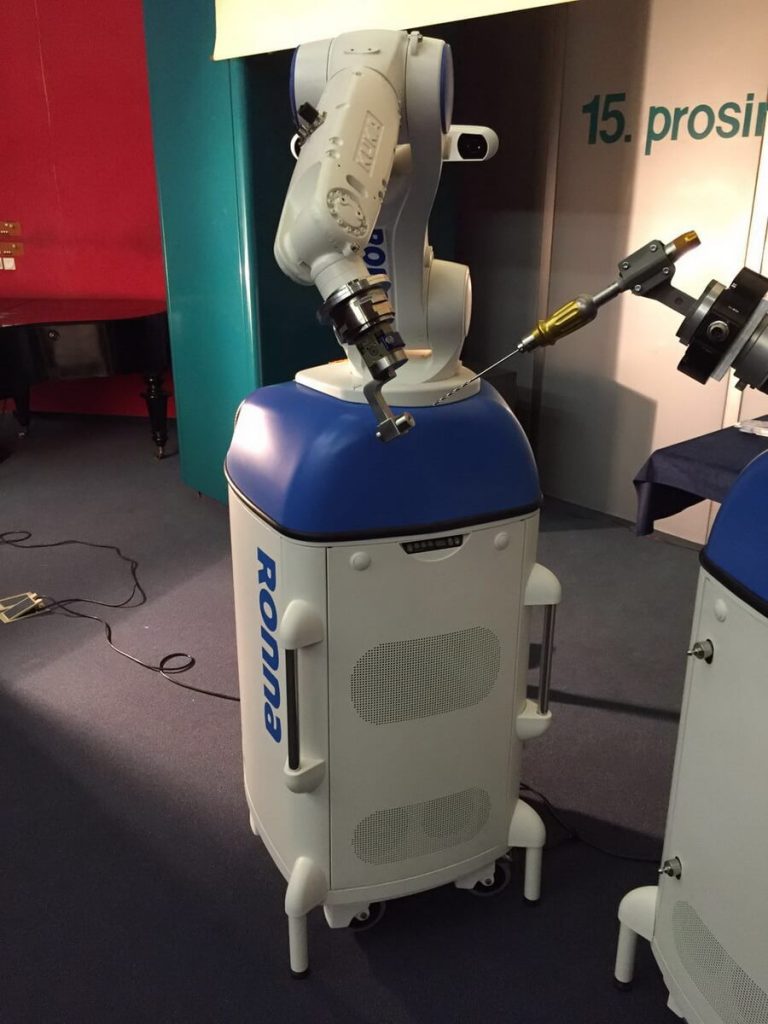
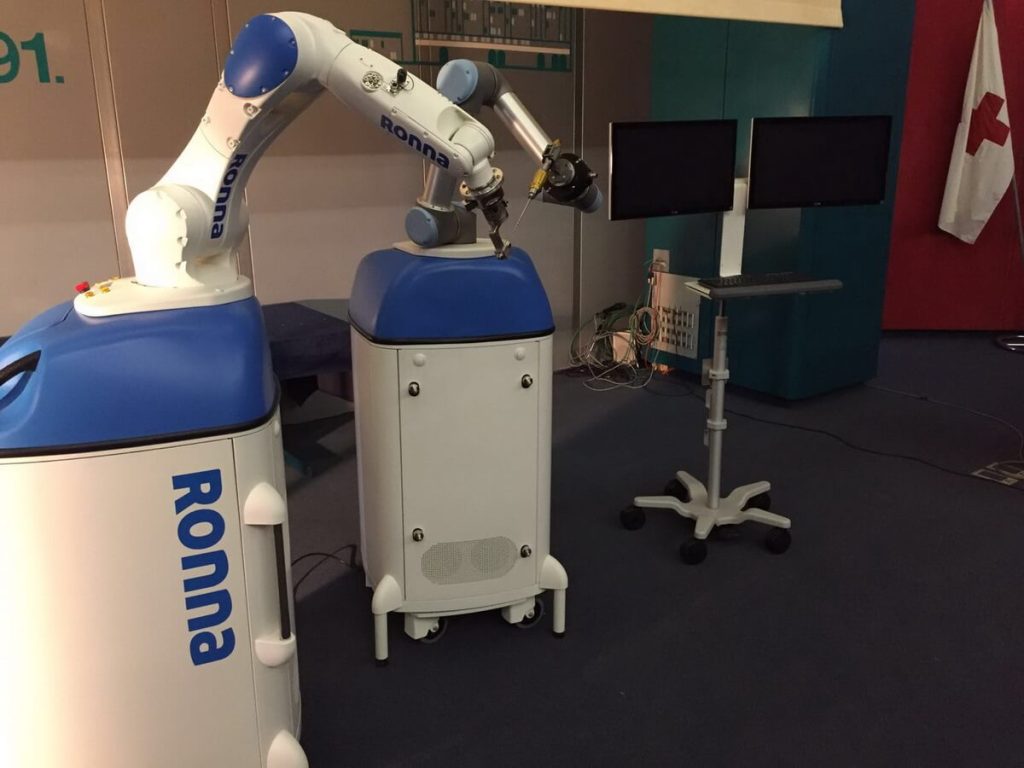
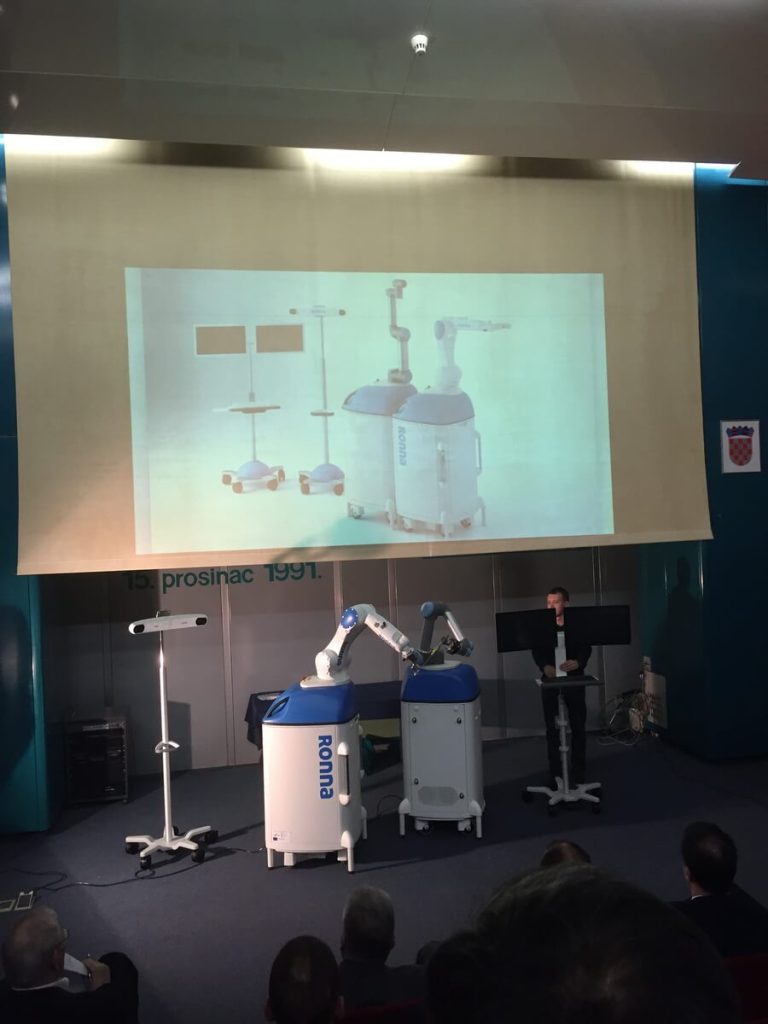
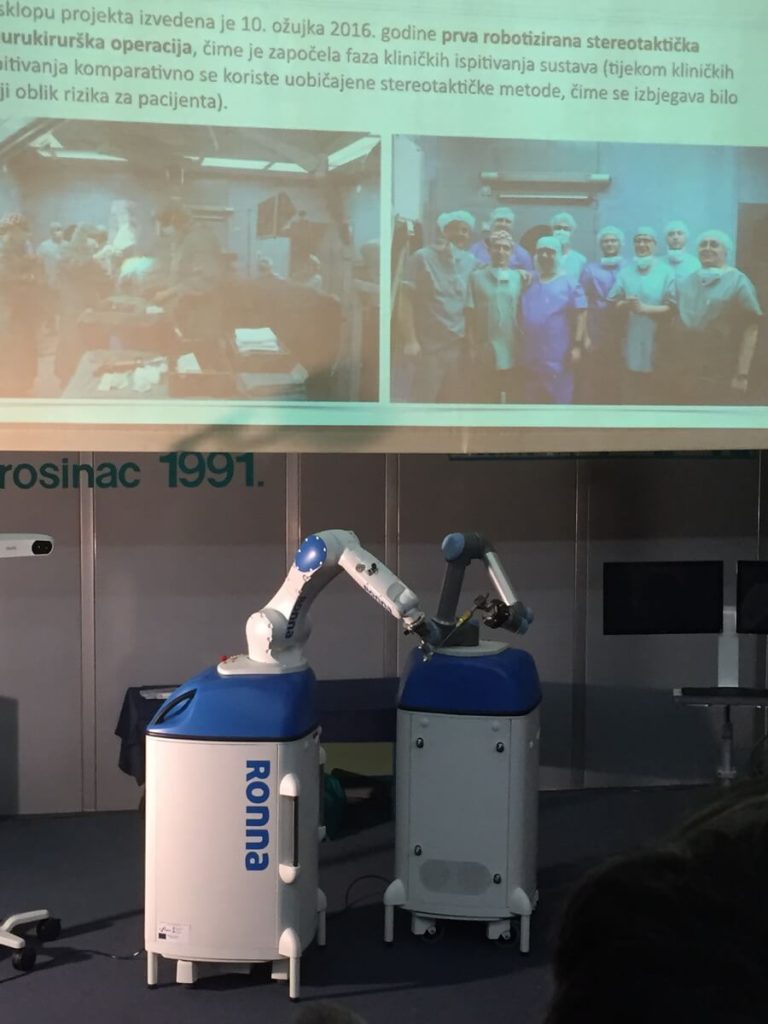
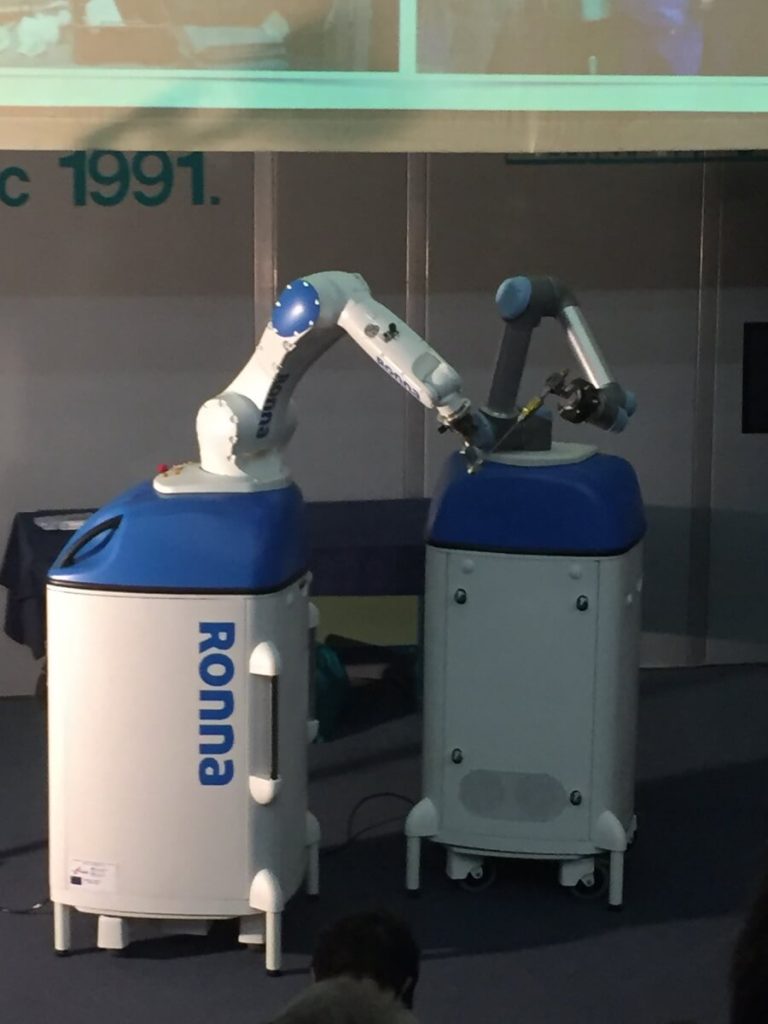
RONNA (Robotic Neuronavigation) is a project developing a robotic system for stereotactic navigation with application in neurosurgery. The project was launched seven years ago at the Faculty of Mechanical Engineering and Naval Architecture, University of Zagreb, in cooperation with the Dubrava University Hospital and the Croatian Institute for Brain Research.
The project initiators are Bojan Jerbić, PhD (project manager), Darko Chudy, PhD, and Gojko Nikolić, PhD. The project was initially financed through the TEST national programme for technological development and funding from the Ministry of Science, Education and Sports, then in part from international UKF funds (Unity Through Knowledge Fund) and the Croatian Science Foundation, and now from the European Regional Development Fund (ERDF Strengthening Capacities for Research, Development and Innovation — RC 2.2.08).
The aims of the project is to:
1. improve the stereotactic robot navigation process, connecting the tomographic images of the patient, the computer operation plan and the robot
2. apply a two-arm configuration: one robot for routing and the other for handling instruments
3. implement an intelligent and intuitive system management
4. apply low-cost general-purpose robots to lower the cost of the system.
Intensive preclinical tests have been conducted since July 2013, with numerous objective tests and measurements already performed.
Thanks to the European Regional Development Fund, RONNA has been upgraded and developed to clinical and commercial readiness.
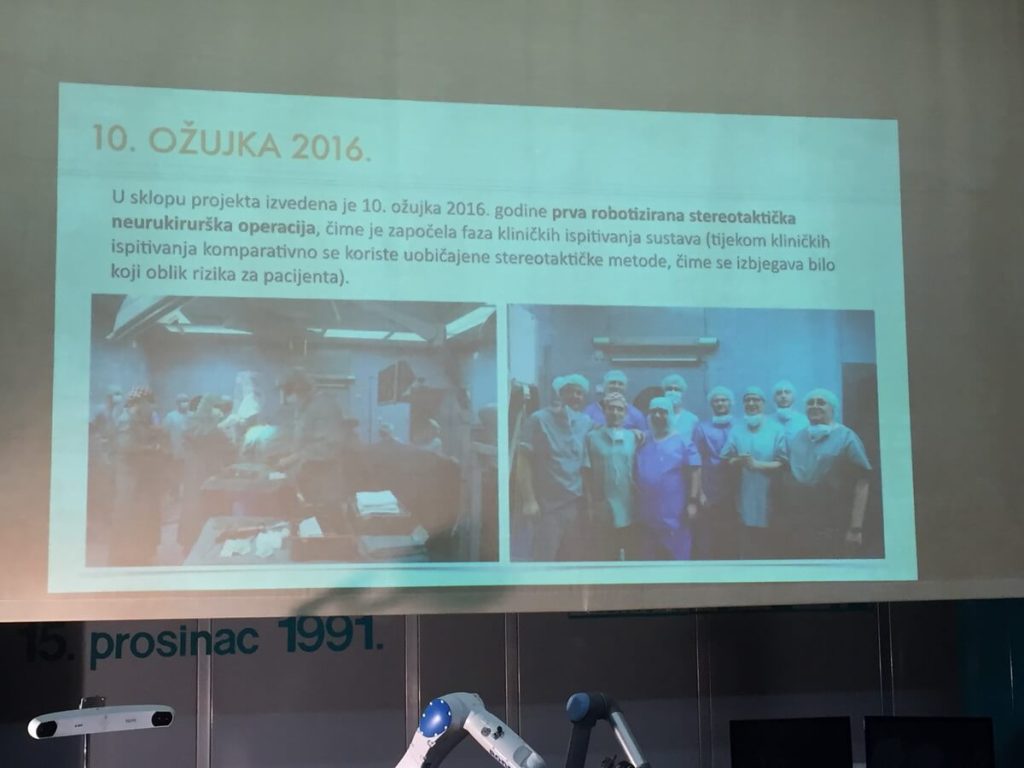
As part of the project, the first robotic stereotactic neurosurgical operation was performed on 10 March 2016, marking the start of the clinical system trials phase (during clinical trials, the usual stereotactic methods are used comparatively, avoiding any form of risk to the patient). This was the first such operation in this part of Europe.
At present, there are only a few robotic systems for neurosurgery in use in the world, mainly in experimental applications. As far as we know, based on its technological characteristics, RONNA exceeds the possibilities of other existing solutions.
Results achieved:
1. higher quality and faster performance of surgical procedures
2. less invasive procedure
3. faster patient recovery (short hospital stay, lower costs)
4. better use of the hospital’s operational resources
5. mastering new skills
6. introduction of new technologies into medical practice.
Contributions:
1. development of new control models for the interactive operation with robots in neurosurgical applications
2. development of an original robotic neuronavigation system (for the precise localisation of the patient)
3. design of specific instruments for robotic application in neurosurgery
4. research into new procedures in neurosurgical practice based on the application of robots.
PROJECTS.
Automated control and management of medication storage and dispensing
Zagreb Franjo Tuđman International Airport
Dubrava Clinical Hospital / University of Zagreb / HIIM